


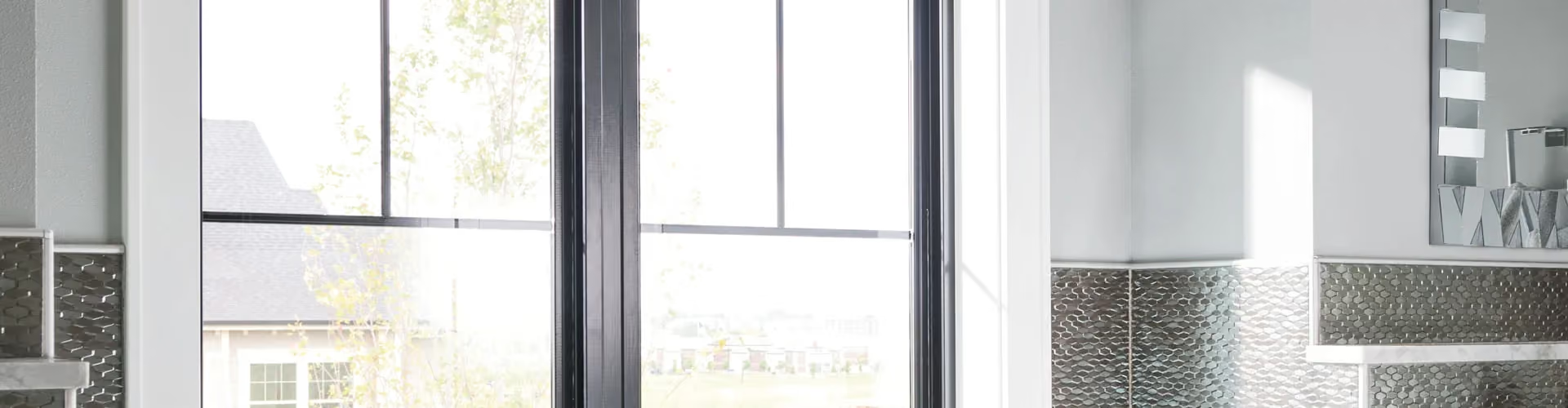
Fiberglass replacement windows in Seattle & Kirkland, WA
Fiberglass replacement windows are built for homeowners who value frame strength, stable operation, low routine maintenance, and clean sightlines. Cascade View Construction installs fiberglass windows for homes in Seattle, Kirkland, and surrounding Puget Sound communities. As a Pella® Certified contractor and an official Milgard Windows and Doors partner, we help clients compare current product series, operating styles, glass packages, finishes, hardware, screens, and installation requirements.
A strong frame is only one part of a successful replacement. The existing opening, water management, glass performance, window exposure, size, and installation method all affect the finished result. Our team measures each opening and reviews the surrounding wall, siding, trim, and interior finish before the product is ordered.
Why choose fiberglass replacement windows?
Fiberglass frames are made from glass fibers and resin formed into strong structural profiles. Exact construction varies by manufacturer, but common reasons homeowners consider fiberglass include:
Fiberglass is not automatically the right choice for every budget or opening. We compare the actual product configuration with vinyl and clad-wood options so the recommendation reflects the home, priorities, and complete project scope.
Pella and Milgard fiberglass window options
Cascade View Construction works with established manufacturers that publish product specifications and performance data. Pella Impervia is the company's dedicated fiberglass window line, with factory-finished frames and multiple operating styles. Milgard also offers fiberglass window systems, including current series designed for replacement and renovation projects. Series names, sizes, finishes, and regional availability can change, so we confirm the exact product during the consultation.
When comparing product lines, look beyond the material label. Review frame depth, visible glass area, hardware, screen type, finish choices, glass packages, structural limits, water and air performance, warranty terms, and the installation method proposed for your opening.
Fiberglass window styles for your home
Casement and awning windows
Casement windows hinge at the side, while awning windows hinge at the top. Both can provide controlled ventilation and a clean profile. Hardware, opening direction, nearby walkways, exterior clearance, and egress requirements should be reviewed before selecting the configuration.
Single-hung and double-hung windows
Hung windows maintain a familiar vertical appearance. Single-hung units generally operate from the lower sash, while double-hung products allow both sashes to move. Available cleaning and ventilation features depend on the manufacturer and series.
Sliding and picture windows
Sliding windows open horizontally and can suit rooms where an outward-swinging sash would interfere with a patio, walkway, or planting. Picture windows are fixed and prioritize glass area, daylight, and views. Combining fixed and operable units can create a larger composition without making every panel movable.
Bay, bow, and specialty configurations
Projecting and specialty windows require additional planning for structure, weather integration, exterior support, roofing or head flashing, and interior finish work. Manufacturer size limits and engineering requirements determine which fiberglass configurations are available.
Energy performance and glass selection
Fiberglass has low thermal conductivity and a stable frame, but frame material alone does not determine the energy performance of the complete window. Glass coatings, pane count, gas fills, spacers, frame construction, weatherstripping, and installation all matter.
Compare the National Fenestration Rating Council label for each proposed configuration. U-factor describes heat transfer through the window, while Solar Heat Gain Coefficient describes how much solar heat passes through the glass. Air leakage and visible transmittance can also help compare products. The best combination depends on the home's climate zone, elevation, shade, room use, and comfort priorities.
Ask for the exact NFRC values and ENERGY STAR climate-zone certification in the proposal. New windows may improve comfort when existing units are drafty, damaged, or poorly sealed, but actual energy savings vary by home and should not be guaranteed as a fixed percentage.
Fiberglass windows in the puget sound climate
Seattle-area homes face extended wet seasons, wind-driven rain, cool temperatures, and summer sun. Fiberglass frames resist rot, swelling, and corrosion, but a weather-resistant frame cannot compensate for incomplete installation. Flashing, sealants, drainage paths, siding transitions, trim, and the wall's weather-resistive barrier must be considered together.
Our project review looks for signs of soft trim, failed sealant, staining, damaged siding, and previous water entry around the opening. If concealed damage is discovered during removal, the repair scope should be documented before the new window is closed into the wall.
Fiberglass vs. vinyl and wood windows
Fiberglass is often selected for rigidity, low upkeep, and slim profiles. Vinyl is commonly chosen for strong value and broad availability. Wood and clad-wood can offer a natural interior surface and extensive finish flexibility. The best comparison uses actual products with similar sizes, glass packages, and installation scopes.
Read our complete vinyl vs. fiberglass windows guide, visit the dedicated vinyl window page, or compare vinyl and wood windows. The main replacement windows page explains how the material pages fit into the broader service.
What affects fiberglass window replacement cost?
Fiberglass windows often carry a higher initial price than comparable vinyl configurations, but the total estimate depends on the entire project. Size, operating style, glass package, frame finish, grille and hardware selections, access, interior and exterior trim, disposal, permit requirements, and repairs around the opening all affect cost.
Oversized units, bay or bow windows, custom shapes, new openings, structural changes, and extensive finish work require a different scope than standard replacement openings. Our Seattle window replacement cost guide explains how to compare assumptions, materials, labor, and finish work across estimates.
Our fiberglass window installation process
For the complete sequence from consultation and final measurements through opening preparation, installation, cleanup, and walkthrough, read our window replacement process guide.
Examples of completed window and exterior projects are available in the project gallery.
Serving Seattle, Kirkland, and nearby communities
Cascade View Construction serves homeowners across the Greater Seattle area. Review our Seattle window replacement and Bellevue window replacement pages, or browse all service areas. Product availability and scheduling are confirmed for each address and project scope.
Fiberglass replacement window FAQs
Are fiberglass windows energy efficient?
Fiberglass windows are available in energy-efficient configurations, but performance depends on the complete window. Compare the exact NFRC U-factor, Solar Heat Gain Coefficient, air-leakage data, glass package, and ENERGY STAR certification for your climate zone.
Do fiberglass windows require painting?
Many fiberglass products have durable factory-applied finishes that do not require routine repainting. Some fiberglass frames may be paintable, but homeowners should follow the manufacturer's care and warranty instructions before applying any coating.
Are fiberglass windows stronger than vinyl?
Fiberglass is generally more rigid than vinyl, but a useful comparison must consider the specific frame design, reinforcement, size, glass package, hardware, and performance ratings. Manufacturer-approved dimensions determine what each product can support.
Can fiberglass windows replace only part of the home?
Yes. A project can focus on damaged windows, one elevation, or rooms with the greatest comfort concerns. Frame profiles, colors, glass appearance, and grille patterns should be reviewed when new windows will sit beside existing units.
How do I request a fiberglass window estimate?
Call (425) 540-7069, request a free quote, or schedule an in-home consultation. Pricing is based on measured openings, selected products, installation conditions, and finish work.
Plan your fiberglass window project
Compare fiberglass replacement windows with a local installation team serving Seattle, Kirkland, and nearby communities. Call Cascade View Construction at (425) 540-7069 or book a consultation to review your openings, product options, and project scopeк