


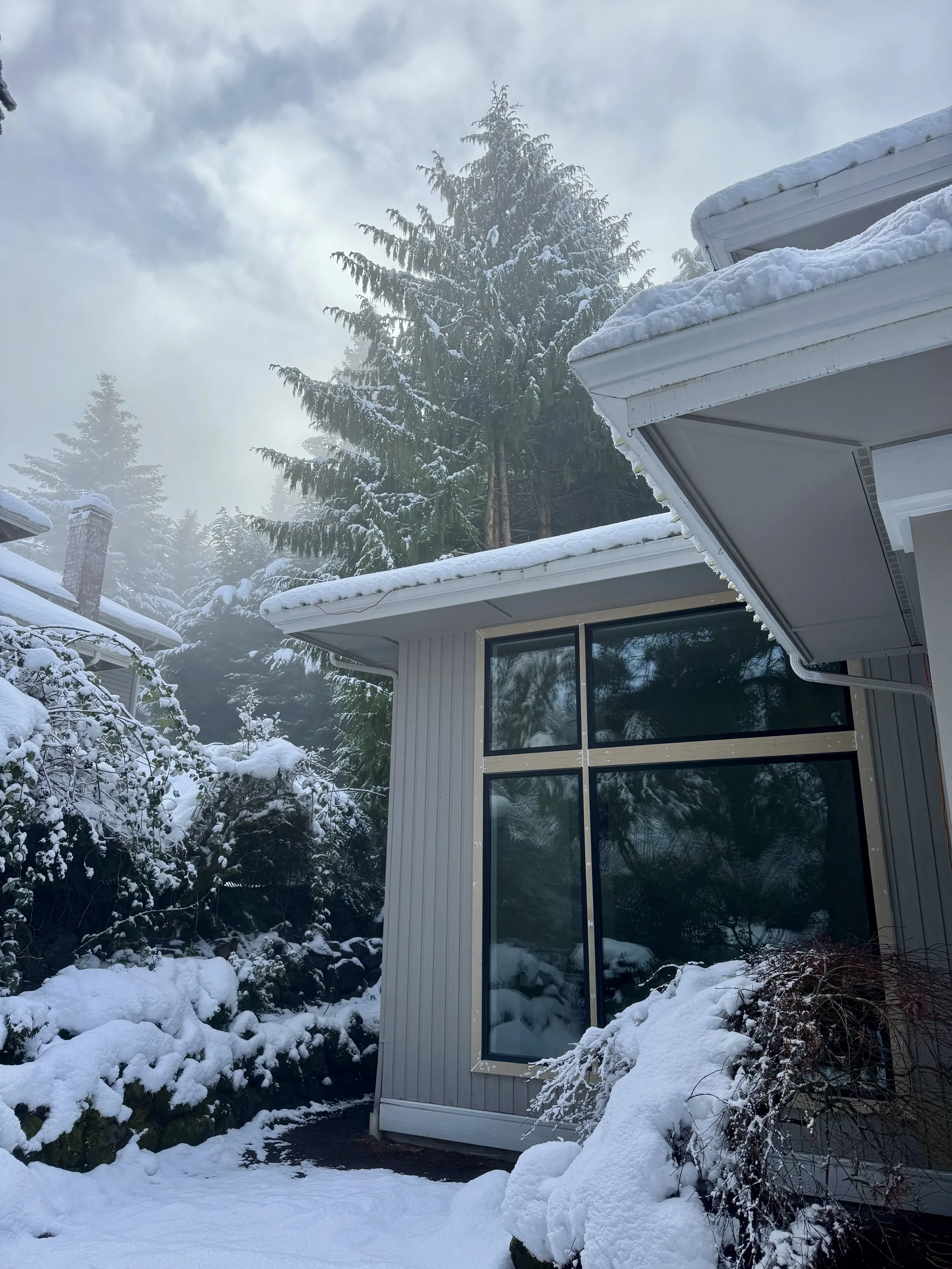
Can You Replace Windows in Winter in Seattle?
Yes, window replacement can be planned in winter in Seattle. Whether work can proceed on a particular day depends on safe conditions, protection of the opening, and the requirements for the products and installation materials being used—not the calendar alone. Ask for a weather plan before you commit to the schedule.
By Cascade View Construction
Winter installation is a planning question, not a blanket yes or no
You do not have to rule out a project simply because it falls in a colder month. You also should not accept a promise to install through any weather. The opening, site access, forecast, and installation method need to be considered together.
Manufacturer requirements matter here. Pella’s installation products guidance describes conditions for its materials, while Andersen’s sealant application guidance gives requirements for specific products. There is no single temperature rule that can safely replace the instructions for everything used on your project.
Ask the installer which instructions apply, how conditions will be assessed, and what would cause work to stop or be rescheduled. Those answers are more useful than a general claim that winter installation is always possible or always a bad idea.
Can windows be installed in the rain?
Rain is not a question to answer from the forecast icon alone. The contractor needs to assess exposure at the opening, protection arrangements, the condition of the surfaces, and the requirements of the selected flashing and sealant system. Wind-driven rain and a sheltered opening are not the same situation.
Ask how water will be kept away from the work area and whether the surfaces will meet the relevant product requirements before materials are applied. If they cannot, the plan needs to change. Covering an opening does not automatically make every installation condition acceptable.
If you already have water entering around a window, tell the contractor before scheduling. Our guide to window leaks during Seattle rain explains why the source needs assessment. Do not assume that ordering a replacement window alone defines or fixes every possible leak.
Agree on the weather decision before installation day
A winter schedule should include a clear way to decide whether work proceeds. Ask who checks the conditions, when you will be notified, and what happens if the forecast changes after preparation has begun.
- Who makes the go/no-go decision for the day’s work?
- How much notice should you expect if the visit is rescheduled?
- What protection is planned for the exterior opening and the room inside?
- How will each opening be left weather-protected if work cannot be completed as planned?
- How will you be informed if conditions change the scope, sequence, or cost?
Put the agreed process with the project documents. A broad installation date without a rescheduling plan leaves both parties guessing when the weather changes. Do not treat a preferred date as permission to disregard the conditions required for a sound installation.
Ask how the house will be managed while openings are worked on
Discuss the planned sequence and how the crew expects to limit disruption to occupied rooms. Ask which areas will be accessible, how interior protection will be arranged, and what the household needs to move before work starts.
Do not assume a fixed amount of time per window or a guarantee that the whole house will remain at its usual temperature. Opening size, access, installation approach, and concealed conditions can change the work. Ask for expectations that match your project rather than a generic time estimate.
Our window replacement process guide gives a broader overview. For winter planning, add the weather decision, daily closure arrangements, and household access questions to that conversation.
Prepare for the visit without doing installation work yourself
Ask the contractor for a preparation list specific to the planned scope. The aim is to make the work area usable, not to remove parts of the existing window or disturb surrounding materials before the crew assesses them.
- Confirm which rooms and exterior access routes will be needed.
- Agree on who moves window coverings, nearby furniture, and fragile items.
- Plan a separate, secure area for pets and children away from the work.
- Discuss access, parking, and where materials can be stored without blocking an exit.
- Identify any scheduling needs for people working from home.
- Confirm how the crew will contact you if a decision is needed during the day.
Also ask whether any building or property-management approvals need to be in place before the visit. A winter slot does not eliminate the usual project preparation or approval requirements.
Resolve product readiness and concealed-damage questions
Before removal is scheduled, confirm the status of the ordered units and the installation materials needed for the planned work. Ask what happens if a delivered product is damaged or does not match the order. Avoid relying on an arrival estimate as proof that everything is ready for installation.
Existing deterioration may not be fully visible until work begins. Ask how the contractor will document a discovery, obtain approval for additional work, and protect the opening while a decision is made. This is particularly important when a rainy forecast leaves less room for an improvised response.
For a defined comparison of what is included, use our guide to comparing replacement window quotes. Weather planning should sit alongside the installation scope, allowances, and exclusions—not replace them.
Should you wait until spring?
That depends on the condition of the existing windows and the project’s readiness. An active leak or another potentially unsafe condition deserves prompt professional assessment; it should not simply be postponed because a later season seems easier. For a planned upgrade, compare the available schedule with a realistic weather and protection plan.
Do not assume winter means a discount, faster availability, or an inferior result. Ask for the actual proposal and conditions. The decision should be based on what can be properly completed for your house.
For a Seattle-area project, start with Cascade View Construction’s Seattle window replacement information and the available window options. Bring your opening list, any known water-entry concerns, and your scheduling needs. A useful winter plan explains both how the job will proceed and when it will not.