


Casement vs. Double-Hung Windows: A Seattle Homeowner’s Guide
Choose casement windows when an outward-opening sash and its operating hardware suit the room and exterior clearance. Choose double-hung windows when you prefer vertically moving sashes without an outward swing. Neither style is automatically best for a Seattle home: check access, nearby walkways, ventilation preferences, and the exact products before ordering.
By Cascade View Construction
The main difference is how the window opens
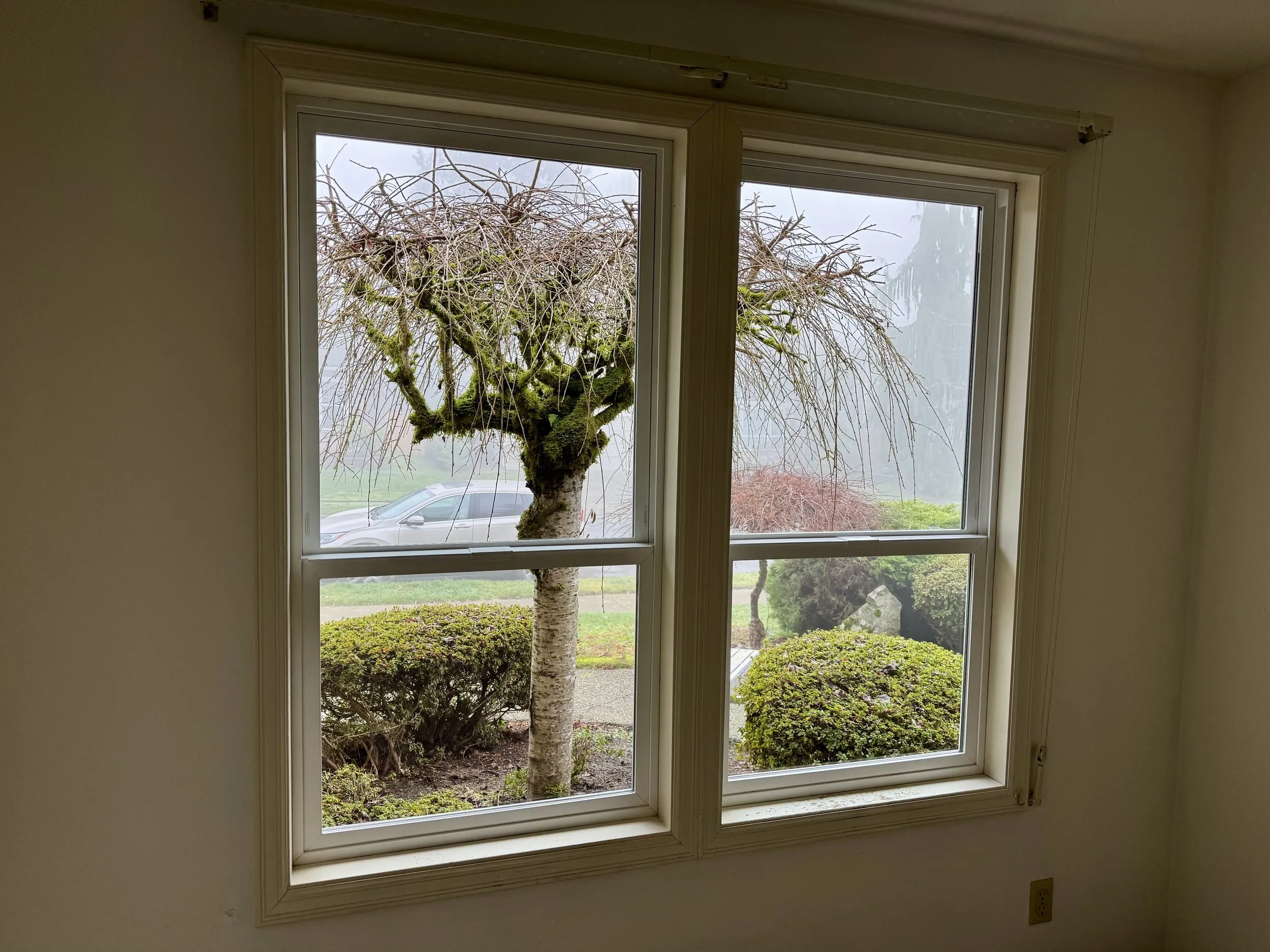
A casement window is hinged at the side and opens outward. Depending on the product, it may use a crank or another operating mechanism. A double-hung window has two vertically movable sashes. Its operation stays within the frame rather than swinging over the space outside.
These are operating styles, not frame materials or glass specifications. You can begin with the window options overview, then narrow the choice by series, material, size, and glazing. Do not assume a photograph of a similar-looking window identifies the product that will be supplied.
Check the space outside before choosing casement
Stand outside each proposed opening and look at the area a sash would occupy. A window beside a deck, narrow side passage, or regularly used walkway needs a clearance discussion before an outward-opening style is selected. Landscaping, outdoor furniture, and other equipment may also affect the choice.
Pella’s window selection guide highlights the importance of considering where windows open. Double-hung operation avoids an outward sash arc, but the actual window still needs to fit the opening and the way the room is used.
Ask the contractor to show the proposed hinge side and opening direction on the schedule. “Casement in the kitchen” is not enough detail if the sash could interfere with something outside. Resolve that while alternatives are still easy to discuss.
Try the hardware from the position where you will use it
A kitchen sink, deep counter, desk, or sofa can change how convenient a window feels. Rather than choosing from a showroom photograph, consider where your hand will reach and what movement the operation requires.
For a casement, ask where the operator and lock are located, whether the handle clears nearby finishes, and how the insect screen is arranged. For a double-hung unit, consider your ability to reach the lock and move the proposed sashes comfortably. Hardware and assistance features vary by product.
A useful test is simple: describe the room arrangement, then try the exact operating system when a sample is available. A style that works well for one person or room may not suit another. Note access needs before the product is ordered.
Compare ventilation without assuming a universal winner
Casement and double-hung windows create different opening arrangements. A casement swings a sash outward; a double-hung window lets you adjust the upper and lower sashes within the frame. Manufacturer descriptions, such as Milgard’s casement window overview, help identify how a particular product operates.
That geometry does not prove which option will ventilate your room better in practice. Window size, the opening position, screens, wind, and other openings in the home all matter. Ask to see the available opening rather than comparing only the outside frame dimensions.
Also discuss how the window will be used on ordinary days. Someone who wants a small adjustable opening may make a different choice from someone who wants a wider opening when conditions allow. Neither preference should be mistaken for a performance rating.
Cleaning access depends on the product and location
Do not assume every double-hung window tilts in, or that every casement allows convenient access to the outside glass from indoors. Ask for the cleaning instructions for the specific series and the size being proposed.
This matters particularly upstairs, above a stairwell, or anywhere exterior access is difficult. Discuss safe cleaning access before purchase. A feature shown on a different product line is not confirmation that it will be included in your order.
Keep care instructions with the product schedule and warranty documents. If one hard-to-reach window needs a different solution from the rest of the house, identify it explicitly rather than expecting a single operating style to solve every opening.
Keep energy performance separate from operating preference
Choosing a casement or double-hung style does not finish the energy comparison. Ask for whole-product ratings for the actual proposed units, including their glass packages. Do not accept “casement is more efficient” or “these are energy-efficient windows” as the complete specification.
If you are also comparing materials, review vinyl windows or wood windows as a separate choice. The installation scope should identify how the selected product will work with the existing opening, not merely name a material and operating style.
Changing the style is not always a simple product swap
Ask whether the proposed change keeps the existing opening and what work is needed around it. If dimensions, framing, or the opening arrangement change, the scope may differ from a straightforward replacement. Our new-construction versus replacement window guide explains why installation approach is a separate decision.
For a room where emergency escape and rescue requirements may apply, have the applicable requirements and proposed unit checked before ordering. A familiar nominal size or a different operating style does not, by itself, establish compliance. Local requirements and the actual opening need project-specific review.
An opening-by-opening checklist
Use the same questions for each window you plan to replace:
- Where would an outward-opening sash move, and what is nearby?
- Can the intended user comfortably reach and operate the proposed hardware?
- What ventilation arrangement do you want in this room?
- How will both sides of the glass be cleaned safely?
- Which series, material, glass package, and ratings are included?
- Does the work change the opening or trigger additional project requirements?
- Are the hinge side, opening direction, screens, and finish recorded on the order?
You do not need to choose the same operating style everywhere. You do need a clear reason for each choice and a schedule that prevents assumptions during ordering. For a local project, discuss these details through Cascade View Construction’s Seattle window replacement service. Decide from the way each opening will actually be used, then compare the products that fit.